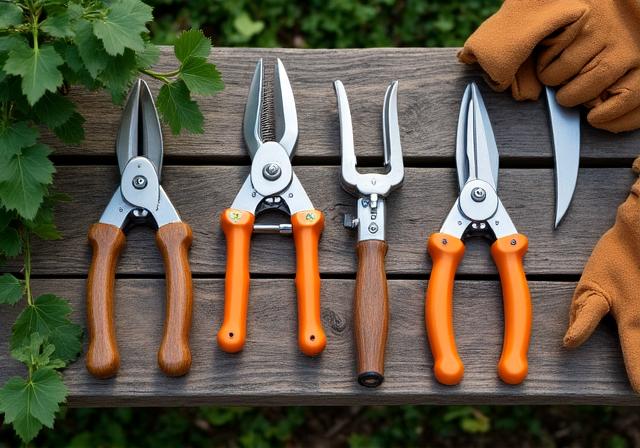
Why Clean Cuts Matter
Just as a surgeon requires sterile instruments, a gardener needs sharp, clean tools. Every cut you make on a plant is an open wound. Pruning with dull or dirty blades results in ragged tears that invite pests and diseases, compromising the plant's immunity. Using the right tool ensures a swift, clean snip that allows the plant to seal the wound quickly and direct energy back into new growth.
"A clean cut today is the foundation for a flourishing bloom tomorrow."
Bypass Pruners: The Smooth Choice
Bypass pruners work like scissors, with two blades passing each other. These are essential for live wood. They provide the cleanest cuts without crushing delicate plant tissues. Ideal for roses, shrubs, and green stems.
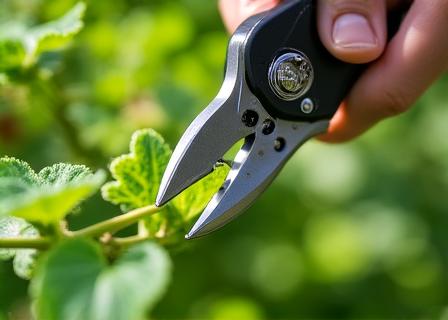
Anvil Pruners: For the Tough Stuff
Anvil pruners feature a single straight blade that closes against a flat metal base. Since they tend to crush stems, they are strictly for dead wood or brittle branches where a clean vascular seal is no longer required.
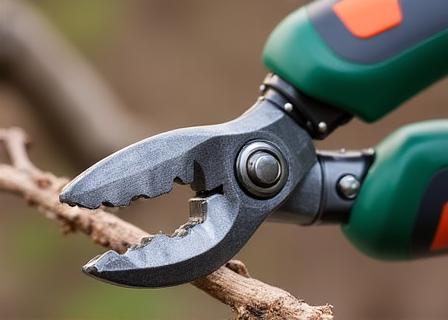
Tackling the Big Jobs: Loppers & Saws
When branches exceed the thickness of a pencil (roughly 1-2 inches), it's time to put down the hand pruners. Forcing a small tool through a thick branch will damage both the tool and your hand.
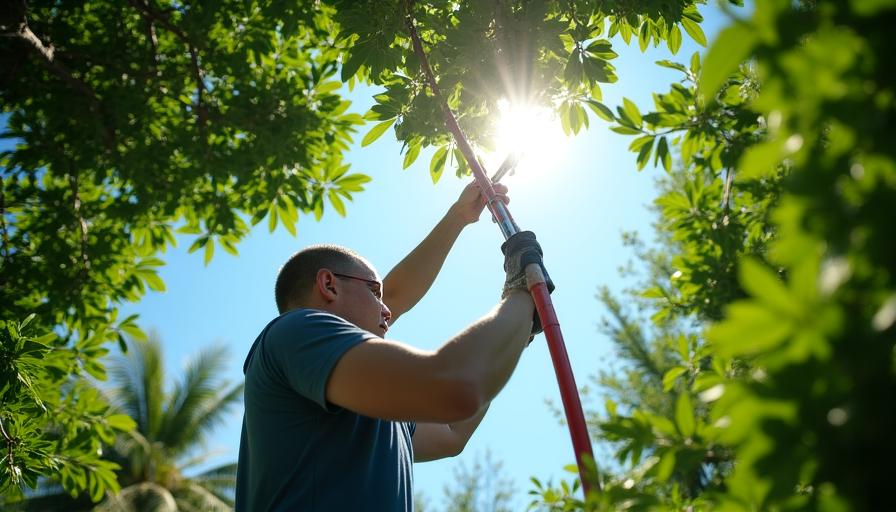
- Loppers: Provide leverage through long handles. Essential for canopy maintenance and thinning out established shrubs.
- Pruning Saws: Designed with teeth that cut on the pull stroke, allowing for maximum control when removing heavy limbs or working in tight V-shaped branch junctions.
Maintenance Tips for Longevity
To keep your tools performing at their best: Oil the springs regularly to prevent rust, and use a diamond sharpener to remove sap buildup. A well-maintained tool is a safer tool.